Salt Grinders That Earn Their Place on the Table
A good meal can be let down by a poor final turn of seasoning. Salt grinders should deliver a clean, even grind when your hands are busy and the pan is hot, not jam, shed dust across the worktop or give up after a few refills. That sounds like a modest expectation. Yet anyone who has replaced a flimsy mill knows how often it is missed.
The difference comes down to the parts you cannot always see at first glance: the grinder mechanism, the fit of the components, the choice of materials and whether the mill has been made for years of use rather than a short spell on the table. Buy well once, and seasoning becomes one less thing to think about.
What makes a salt grinder worth buying?
Salt is hard, abrasive and unforgiving of poor construction. It also attracts moisture, which can cause clumping in the chamber and corrosion in unsuitable metal parts. A salt mill therefore needs more than a handsome exterior. It needs a mechanism designed to cope with salt crystals, a reliable adjustment system and a body that feels secure in the hand.
Consistency matters most. Fine salt should be genuinely fine, rather than a mixture of dust and large shards. A coarser setting should give a confident crunch over roast potatoes, grilled vegetables or a tomato salad. When the grind is erratic, seasoning becomes guesswork. You add too much in one place, then compensate elsewhere.
Weight and balance deserve attention too. A substantial mill is easier to control, particularly when you are seasoning with one hand. That does not mean the heaviest option is automatically best. It means the mill should feel planted, comfortable and properly assembled, without rattling parts or a top that wobbles under pressure.
The grinder mechanism matters more than the label
The mechanism is the working heart of the mill. In salt grinders, corrosion resistance is essential. Ceramic is a common choice because it is hard and does not rust, while purpose-made salt mechanisms can also perform well when they are correctly specified. What matters is not a fashionable material name on its own, but the quality of the mechanism, the accuracy of its fit and the care taken in assembly.
Avoid mills that rely on a crude, loose crushing action. They tend to produce inconsistent pieces and can seize as fine salt dust builds up. A properly engineered mechanism cuts or crushes the crystals with control, allowing you to alter the coarseness without losing performance.
If a mill offers an adjustable grind, test the idea against how you cook. A fine setting is useful for sauces, baking and seasoning meat before cooking. A coarse setting suits finishing dishes, where a visible crystal gives texture as well as flavour. The best adjustment is one you can use easily and trust to stay put.
Materials: choose salt grinders for real kitchen use
Kitchenware is handled with wet hands, set beside hot pans and used day after day. Materials are not simply a styling decision.
Wood has warmth and traditional appeal, but it needs sensible care. It should not be soaked or left in a damp patch by the sink. Acrylic makes it easy to see the contents, though lighter plastic mills can feel less substantial and may show scratches over time. Metal finishes can look smart, but salt's tendency to corrode means the internal construction is particularly important.
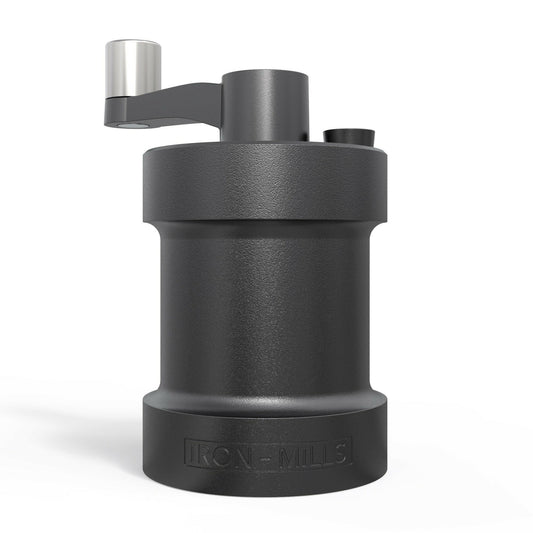
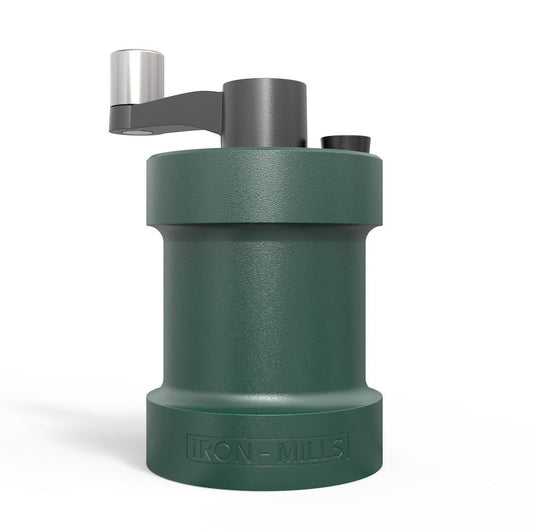
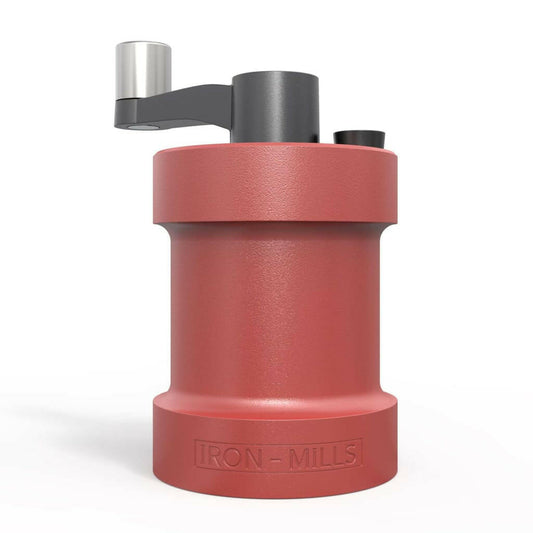
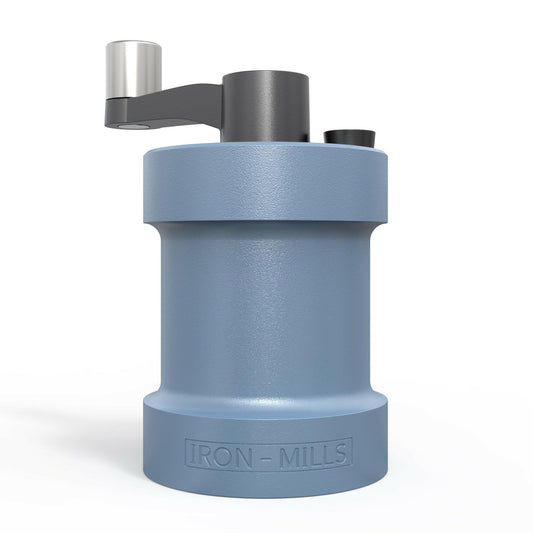
Cast iron has a different kind of presence. It is solid, tactile and naturally suited to a kitchen that values long-term tools over disposable replacements. A well-made cast iron mill offers reassuring weight and a distinctive finish that does not need to chase passing trends. Like any quality kitchen item, it should be kept dry and treated with ordinary care, but it has the character to earn a permanent place on the worktop.
At Iron-Mills, that principle is central: a seasoning mill should feel like professional kitchenware, not a temporary accessory that will be discarded when the mechanism fails.
Size is a practical decision, not just a design choice
Small salt mills are neat on a crowded table and suit occasional use. Their limitation is capacity. If you cook most evenings, frequent refilling soon becomes tiresome, particularly when the opening is narrow or awkward.
A taller mill generally holds more salt and gives you more leverage while grinding. It can be the better choice for a busy home kitchen, shared table or enthusiastic cook. However, make sure it fits comfortably in the cupboard or on the shelf where you actually intend to keep it. The right size is the one you will reach for without hesitation.
For a pair of mills, clear visual distinction is helpful. Many households use one mill for salt and one for pepper, so different finishes, markings or shapes prevent the irritating moment of seasoning a dish with the wrong one. It is a small detail, but good kitchen design often is.
The salt you put inside makes a difference
Use dry salt crystals intended for a grinder. Large, dry sea salt crystals are a dependable option, bringing clean salinity and a pleasant texture at a coarse setting. Rock salt can work well too, provided the crystals are an appropriate size for the mill.
Do not use wet salt, salt flakes or ordinary fine table salt in a grinder. Flakes are too delicate and can compact, while fine salt does not need grinding in the first place. Moisture is the enemy here. Even a good mechanism can struggle if damp crystals are introduced to the chamber.
Flavoured salts are worth approaching with care. Herbs, chilli and other additions may be delicious, but they can contain oils or fine particles that clog a mechanism. If you enjoy them, reserve a separate mill for that purpose rather than risking the salt grinder you rely on every day.
How to keep a salt mill working properly
A quality mill should not demand fussy maintenance. A few sensible habits are enough. Refill it before it is completely empty if you use it regularly, and pour crystals over a dry surface so moisture does not enter the chamber. Wipe the exterior with a lightly damp cloth, then dry it straight away.
Never put a salt mill in the dishwasher unless its manufacturer expressly says it is safe to do so. Heat, water and detergent can damage finishes, swell wooden elements and leave moisture where it does not belong. Nor should you immerse it in water to clean the inside.
If the grind begins to feel tight, first check the setting. It may simply be adjusted too fine for the size of crystal inside. If that is not the cause, empty the mill and remove loose residue according to the maker's instructions. Persistent clumping is usually a sign that damp salt has found its way in.
A mill that suddenly produces only dust or uneven fragments may have a worn or poorly aligned mechanism. This is where a meaningful warranty carries real value. It is not merely a badge on a product page. It is evidence that the maker expects the mill to last beyond the first few months of use.
When paying more is the sensible choice
Cheap mills often look acceptable at the beginning. The problem arrives later: a cracked body, stripped adjustment screw, corroded mechanism or a grinder that turns freely without doing much at all. Replacing low-cost kitchen tools repeatedly is rarely the bargain it first appears to be.
A premium salt mill costs more because it should offer more: stronger materials, better mechanical performance, a repairable or dependable design and the confidence to use it every day. That calculation is especially clear for a tool that sits within arm's reach at almost every meal.
It depends on how you cook, of course. If a mill only comes out for a Sunday lunch, a compact, simple option may be enough. But for people who season as they cook, finish plates at the table and want kitchenware with proper presence, durable construction is the feature that keeps paying back.
Choose a salt grinder you enjoy picking up. It should turn smoothly, season predictably and look at home beside the cooker or on a laid table. The best one does not ask for attention. It simply works, meal after meal, and makes the final pinch of seasoning feel properly considered.