How to Choose Pepper Mills That Last
A pepper mill tells you what it is within seconds. Pick up a flimsy one and you feel the wobble straight away. Twist it a few times and the grind turns uneven, the mechanism sticks, and before long it is headed for the back of a cupboard. If you are wondering how to choose pepper mills, the answer starts with one simple test - stop looking at them as throwaway accessories and start judging them like proper kitchen tools.
A good mill should work hard, feel solid, and keep doing its job year after year. That matters more than clever packaging or a low price. Pepper is one of the final flavours added to a dish, so the quality of the grind has a direct effect on the plate. A weak mill makes a daily task irritating. A well-made one becomes part of how you cook.
How to choose pepper mills without wasting money
The quickest way to buy badly is to focus only on appearance. Plenty of mills look smart on a worktop and disappoint everywhere else. When you are comparing options, pay attention to construction, grinding mechanism, adjustability, capacity, and how the mill feels in use. Those are the details that separate a tool built for daily seasoning from one built to survive a gift box photo.
Price matters, but not in the way many shoppers assume. The cheapest mills often become the most expensive over time because they need replacing. If a grinder cracks, jams, sheds finish, or loses consistency after a short spell, it was never a bargain. Spending more on a durable mill usually means buying once instead of repeatedly.
Start with the grinding mechanism
If there is one part worth being fussy about, it is the mechanism. This is the working core of the mill, and it decides whether you get a clean, even crack of peppercorns or a frustrating mix of dust and large shards.
A decent mechanism should crush peppercorns consistently and stand up to regular use. Cheap units often wear quickly, especially if made with weak internal parts. Once that happens, the grind becomes erratic and the mill starts slipping rather than biting into the peppercorns.
Ceramic, carbon steel, and hardened metal mechanisms all appear in the market, and each has its place. For pepper specifically, strength and precision matter most. What you want is a mechanism with enough bite to handle hard peppercorns and enough durability to keep its performance. If the brand is vague about what is inside, treat that as a warning sign. Good makers are usually quite happy to tell you what their mill is made from and why.
Material matters more than people think
The body of the mill affects more than looks. It influences durability, weight, grip, and the general sense of quality in your hand. Wood can be attractive and traditional, but the finish and build quality vary widely. Acrylic lets you see the contents, though it can feel lightweight and may scratch over time. Thin metal casings can look sleek but still hide mediocre internals.
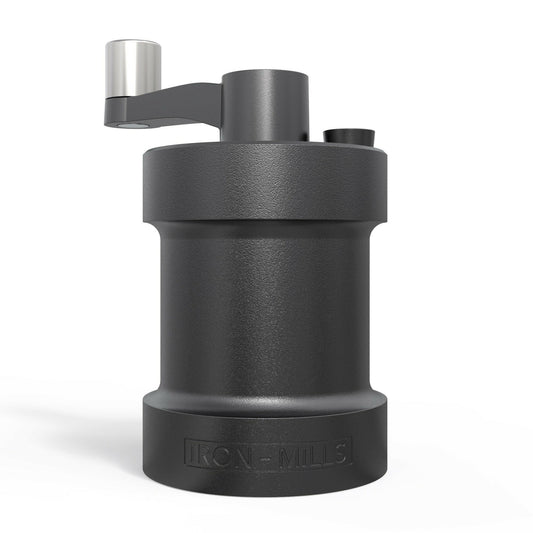
If you prefer something with real presence, a heavier material offers a different sort of confidence. Cast iron, for example, has the sort of solidity that suits a serious kitchen tool. It feels planted in the hand, resists the disposable feel of lighter alternatives, and speaks to long-term use rather than short-term fashion.
This is partly a matter of taste, but only partly. A mill used every day should feel dependable. If it feels insubstantial when empty, it rarely improves once you start relying on it.
Think about grind consistency, not just grind settings
Many mills advertise adjustable grinding, and that is useful. Fine pepper for sauces, medium for everyday cooking, and coarser cracked pepper for steaks or salads all have their place. But the presence of settings alone is not enough.
The real question is whether the mill holds that setting well and produces a consistent result. A poor mill may claim to offer several grind sizes but drift during use or deliver a messy mix regardless of adjustment. That is where cooking becomes guesswork. One turn gives powder, the next gives chunks.
A reliable pepper mill should let you make deliberate choices. If you like a fine grind for cacio e pepe or a coarse finish over tomatoes, the mechanism should respond clearly. Precision is not about showing off. It is about seasoning food properly.
Size should match how you cook
Small mills can suit occasional use or compact kitchens. Larger mills need filling less often and tend to feel more substantial, which many cooks prefer. Neither is automatically better. It depends on how often you reach for pepper and where the mill lives.
If you cook most days, a mill with decent capacity saves annoyance. Constant refilling becomes tiresome very quickly, especially if the opening is awkward or the top mechanism is fiddly to remove. On the other hand, a very large mill may feel cumbersome if you only use pepper sparingly or prefer something neat on the dining table.
A useful rule is this: choose a size that feels comfortable during daily use, not one that only looks right in a product photo. The best pepper mill is the one you will actually enjoy picking up.
Pay attention to grip and handling
This is where plenty of buyers get caught out online. A mill can appear elegant and still be unpleasant to use. Smooth surfaces, poor balance, or awkward shaping can make grinding harder than it needs to be, especially when your hands are damp or busy over the hob.
Look for a shape that gives secure purchase and a mechanism that turns with confidence rather than strain. Weight can help here, provided it is balanced rather than clumsy. You should feel in control of the mill, not as though you are wrestling with it for a pinch of seasoning.
For households that cook often, this matters more than novelty design. The right mill becomes second nature. The wrong one announces its flaws every evening.
Refilling should be simple
Refilling is rarely the headline feature, but it quickly becomes a deciding factor once you live with a mill. Tiny openings, awkward screws, and loose components are all signs of poor practical design.
A good pepper mill should open easily, refill without scattering peppercorns across the worktop, and close securely. It should also protect the contents properly. Fresh peppercorns hold their flavour best when stored in a well-made mill that keeps them dry and ready for use.
If a design looks clever but seems awkward to refill, trust your instinct. Kitchen tools earn their keep through everyday ease, not showroom theatre.
Style matters, but only after performance
There is nothing wrong with wanting a pepper mill that looks right in your kitchen. It sits out in plain sight, after all. But style should support performance, not cover for its absence.
A well-designed mill ought to have visual weight and material honesty. It should look like what it is - a hardworking piece of kitchenware. That is often why timeless designs age better than trend-led ones. They do not chase novelty. They simply keep looking right because they were built on function first.
For many buyers, British-made craftsmanship carries extra appeal here. It suggests accountability, proper materials, and a standard above mass-produced throwaway goods. That is not nostalgia. It is a practical preference for things built with care.
Check what stands behind the mill
A pepper mill may look convincing in photos, but confidence usually comes from what the maker is willing to stand behind. A strong warranty, clear product information, and honest claims about materials are all worth more than marketing fluff.
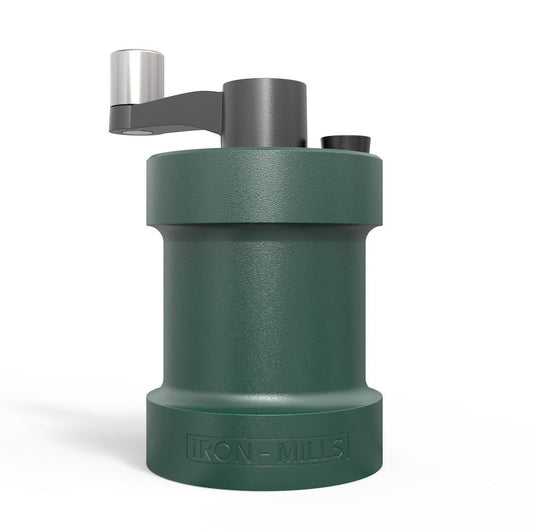
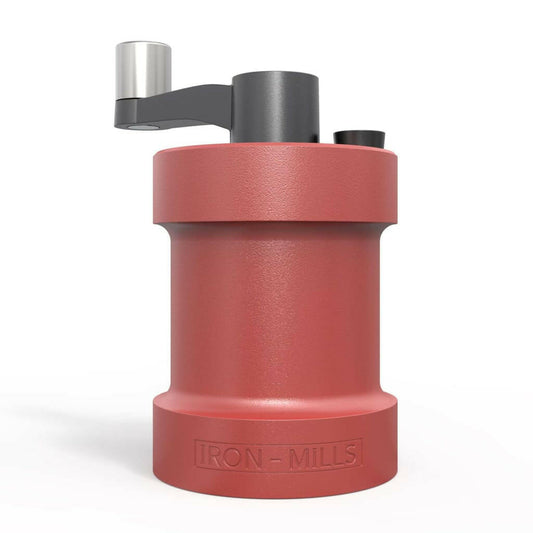
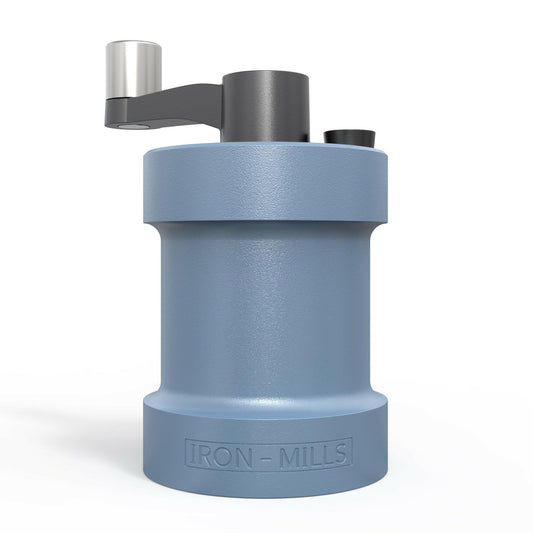
If a brand backs its mills for the long term, that usually tells you something. It suggests they expect the product to stay in service. That is exactly what you want from a premium kitchen tool. Iron-Mills, for instance, builds its reputation on durable British-made mills designed for everyday use rather than short-lived convenience.
This is where value becomes clearer. You are not just paying for the object in front of you. You are paying for consistent performance, fewer replacements, and the confidence that the tool was made to endure.
The trade-off most buyers should make
If you are torn between a cheaper decorative mill and a more expensive well-built one, lean towards the better construction. Most regrets in this category come from buying too lightly, not too solidly.
The exception is when the mill simply does not suit your habits. A very heavy or oversized model may not be right for every table or every cook. But if the choice is between substance and surface, choose substance. Pepper mills are used often enough that weakness shows quickly.
A proper mill should feel like part of the kitchen, not a temporary fix. Buy one that grinds evenly, feels secure in the hand, refills without fuss, and is made from materials that inspire a bit of trust. Every turn should remind you that some tools are worth getting right the first time.