Best Salt and Pepper Mills for Daily Use
Cheap grinders usually fail at the worst moment - halfway through a roast, at the table with guests over, or just when you've finally had enough of uneven seasoning. That is why the search for the best salt and pepper mills matters more than it might seem. A good mill is not a decorative extra. It is a daily-use kitchen tool that should feel solid in the hand, grind consistently, and keep doing its job year after year.
If you cook often, you already know the difference fresh seasoning makes. Pepper loses punch quickly once pre-ground, and salt that falls in clumps is no use to anyone. The right mills give you control, speed and reliability. The wrong ones leave you with dust one minute, boulders the next, and a mechanism that gives up long before it should.
What makes the best salt and pepper mills?
The best mills are not simply the most expensive, nor the most fashionable. They earn their place by performing well every day. That starts with the mechanism. A mill should grind cleanly and consistently, with adjustment that actually changes the coarseness rather than vaguely suggesting it might.
Material matters just as much. Many low-cost grinders are built with lightweight acrylic bodies, soft internal parts and mechanisms that wear down quickly. They may look tidy on a shelf, but daily use exposes the compromise. A proper mill should feel substantial, not flimsy. It should withstand being picked up, refilled and used repeatedly without loosening, cracking or losing alignment.
Weight is often a good sign. Not excess for the sake of it, but genuine material quality. Cast iron, steel and well-engineered internals tend to outlast throwaway alternatives by a wide margin. If you are buying a mill to use for years rather than months, durability is not a luxury. It is the point.
Why material quality matters more than style
There is nothing wrong with wanting your kitchen tools to look good. Most people do. But with salt and pepper mills, appearance can distract from the part that actually matters. A smart finish means little if the grinder inside struggles with hard peppercorns or corrodes after contact with salt.
Salt is particularly demanding. It attracts moisture and can be harsh on poor-quality components. A salt mill needs the right internal materials to cope with that environment over time. Pepper, on the other hand, needs a mechanism strong enough to crack the spice cleanly rather than crush it into a muddle. That is why the best salt and pepper mills are often built around engineering first and styling second.
A robust body also changes the experience of use. A well-made mill sits properly in the hand and turns with confidence. There is no rattling, no awkward slipping, and no sense that you need to be gentle with it. That sort of physical reassurance counts in a kitchen. Good tools should inspire trust, not caution.
The best salt and pepper mills should match how you cook
Not every household needs the same thing. If you cook once or twice a week and only season at the table, your expectations may be different from someone who cooks from scratch daily. The best choice depends on frequency of use, the sort of food you make, and whether you value compactness, statement design or professional-level performance.
For regular home cooks, consistency matters more than novelty. You want a mill that can go from a fine grind for soups and sauces to a coarser finish for steaks, salads or roast vegetables. You also want a generous enough capacity that you are not constantly topping it up.
For gift buyers, longevity should be the first consideration. A handsome mill that lasts a decade is a far better present than a trendy one that starts sticking after six months. This is especially true for weddings, housewarmings and Christmas gifts, where a practical item with real staying power tends to be appreciated long after the packaging is gone.
For style-conscious kitchens, there is no need to choose between form and function. The best mills manage both. A strong material presence, honest construction and clean design often age better than glossy, over-designed alternatives.
What to look for before you buy
Start with the mechanism. Ceramic and metal mechanisms both have their place, but they need to be suited to the job. Salt and pepper are not identical, so a one-size-fits-all approach can be a weak point. Look for a grinder designed with the specific seasoning in mind.
Next, check how the grind is adjusted. Some mills promise adjustability but offer little real control. You want clear, useful range from fine to coarse, and an adjustment system that stays where you put it.
Refilling should be straightforward. If opening the mill feels awkward or messy, it will annoy you more than you think. The same goes for cleaning. Good design is often quiet design - no fuss, no gimmicks, no unnecessary parts.
Then there is warranty and build provenance. These are often overlooked, but they tell you a great deal. A serious warranty suggests the maker expects the product to last. Manufacturing standards matter too. When a brand is clear about where and how its mills are made, that usually reflects a level of accountability missing from anonymous mass-produced grinders.
Signs you are buying a mill that will not last
There are a few warning signs worth taking seriously. If a mill feels too light, it often is. If the mechanism sounds strained when grinding, it probably will not improve with age. If the finish is doing all the selling while the materials and internals are barely mentioned, that should raise an eyebrow.
Another common issue is false economy. Cheap mills can seem sensible at first, especially if bought as a pair. But replacing them every year or two soon costs more than buying properly in the first place. More to the point, it is irritating. Kitchen tools should not become a recurring problem to solve.
Reviews can help here, but read them with care. Look beyond comments on looks and first impressions. The useful feedback is about performance after months of real cooking - how the mechanism holds up, whether the grind stays consistent, and whether the mill still feels dependable under regular use.
Why British-made can be worth paying for
There is a reason many buyers now look harder at origin. British-made kitchenware carries weight when it is backed by proper craftsmanship and honest materials. It often means tighter quality control, clearer standards and a product made with durability in mind rather than cost-cutting alone.
That does not mean every imported mill is poor, nor that every British-made one is excellent. But when a brand puts its manufacturing identity front and centre, it is making a claim about accountability. For buyers tired of disposable kitchen gear, that matters.
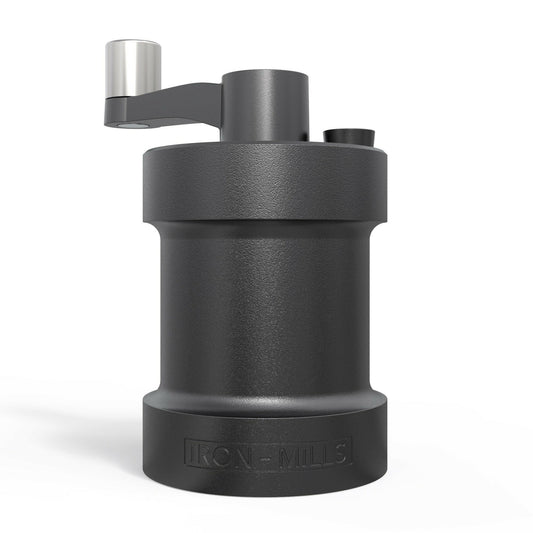
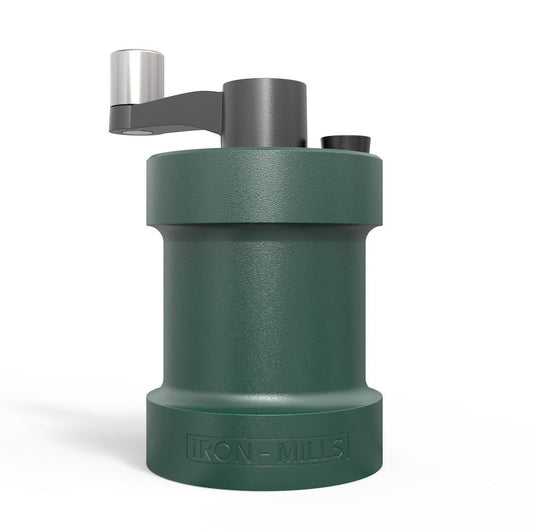
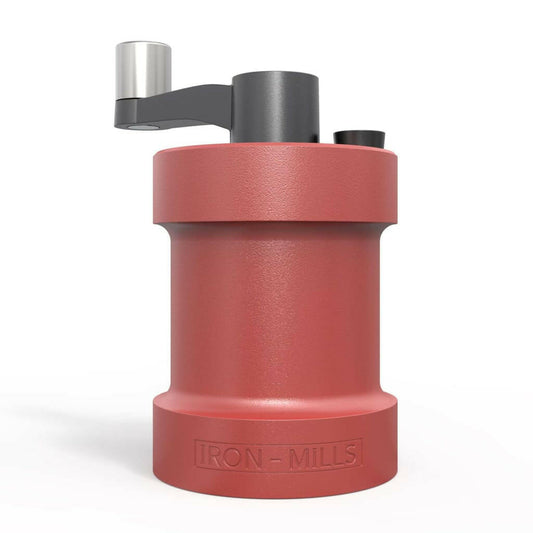
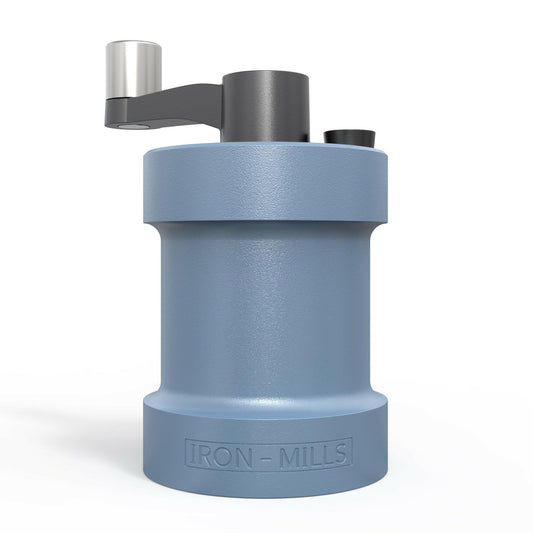
In a category crowded with lookalikes, solid British production can be a useful signal. It suggests the mill is intended to earn a permanent place in the kitchen, not just survive a season of use. Iron-Mills sits firmly in that camp, with a straightforward focus on cast iron construction, long-term reliability and tools built for everyday cooking rather than short-lived convenience.
Price, value and buying once
A premium mill can feel like an indulgence until you use one properly. Then it tends to feel like value. The difference is not abstract. It shows up in the consistency of seasoning, the ease of use, and the fact that the mill is still working as it should years later.
Value is not the lowest price on the page. It is what the product delivers over time. A well-built mill that comes with a meaningful warranty and survives daily use is usually the cheaper choice in the long run. It also makes cooking more enjoyable, which is no small thing if you spend a fair bit of time in the kitchen.
If you are deciding where to spend a little more, spend it on the things you handle every day. Knives, pans, and seasoning mills all fall into that bracket. They are the workhorses, not the showpieces.
The best salt and pepper mills do not need flashy claims. They simply need to grind well, feel right and keep going. Buy for substance, not just shelf appeal, and you will notice the difference every time you reach for them.