How to Grind Pepper Properly at Home
A lot of cooking goes wrong at the seasoning stage. The meal is sound, the ingredients are decent, then a tired pre-ground pepper or a flimsy grinder lets the whole thing down. If you want to know how to grind pepper properly, start with this: fresh pepper should add aroma, warmth and bite, not dusty heat and uneven bits that sit awkwardly on the plate.
Pepper is not a finishing detail to be rushed. Ground well, it changes how a steak tastes, how a cacio e pepe comes together, and how a tomato salad carries its sweetness. Ground badly, it turns harsh or disappears altogether. The difference comes down to freshness, grind size, and the quality of the mill in your hand.
Why fresh grinding matters
Black peppercorns hold their character surprisingly well until they are cracked. Once ground, they begin losing aromatic oils quickly. That is why pre-ground pepper often tastes flat - it delivers heat, but very little fragrance or complexity.
Freshly ground pepper gives you more than one note. You get piney sharpness, a little citrus, some woodiness, and depending on the peppercorn, even a floral lift. Those nuances matter most in simple dishes where there is nowhere to hide. A fried egg, buttered asparagus, roast chicken or a proper carbonara all reveal whether your pepper is alive or stale.
Grinding fresh also gives you control. Fine pepper behaves differently from coarse pepper, and that is where many home cooks miss a trick.
How to grind pepper properly for flavour and control
The right grind depends on what you are cooking. There is no single correct setting for every dish, and treating pepper as one-size-fits-all is part of the problem.
Fine pepper spreads quickly and evenly. It suits sauces, soups, eggs and dishes where you want pepper integrated throughout rather than noticed in distinct bursts. If you are making a creamy sauce or seasoning mince, a finer grind usually works better because it disperses cleanly.
Coarse pepper is more assertive. It is ideal when you want visible texture and occasional pops of flavour - on steak, over salad leaves, on pasta finished at the table, or around the edge of a tuna fillet before searing. The trade-off is that a very coarse grind can dominate delicate food. On a white fish or a light summer salad, it can feel clumsy.
A medium grind sits in the middle and is often the most useful everyday option. It gives enough presence to be noticed without becoming gritty. If you are unsure, medium is the safest place to start.
Choose the right mill before anything else
You can use excellent peppercorns and still get poor results if the grinder is weak, inconsistent or awkward to use. Cheap mills have a habit of crushing unevenly, jamming under pressure, or producing a muddle of dust and oversized fragments. That leaves you with patchy flavour and very little control.
A proper pepper mill should feel solid in the hand and grind consistently across its settings. It should adjust clearly, not vaguely, and it should cope with regular use without loosening or wearing out. This is one kitchen tool where build quality is not just about looks. It directly affects the food.
A well-made mill also makes seasoning less of a faff. If you cook often, you do not want to wrestle with a temperamental mechanism every evening. You want a grinder that works cleanly, predictably and for years, not months. That is exactly why many cooks eventually stop buying disposable grinders and invest in something built to last.
The peppercorn itself matters more than most people think
Not all peppercorns taste the same, and not all of them suit the same dishes. Black peppercorns are the standard choice for everyday cooking - bold, warm and versatile. White peppercorns are earthier and more muted, often used where you want peppery heat without black specks, such as mashed potatoes, pale sauces or some classic soups.
Green peppercorns are softer and fresher in flavour, while pink peppercorns are not true peppercorns at all and bring a lighter, sweeter note. For most kitchens, a good black peppercorn is still the workhorse.
Freshness matters here as well. Peppercorns should smell lively when crushed. If they have little aroma straight from the tin or packet, they are past their best. Store them somewhere cool and dry, away from the hob. Heat and steam shorten their useful life, so keeping the mill right next to a boiling pan is not doing your seasoning any favours.
How to grind pepper properly without making it bitter
Pepper can turn bitter when it is overused, overheated, or ground too far in advance. This is especially noticeable in delicate dishes. If you add a lot of pepper early in cooking and then reduce the sauce hard, the pepper can become harsh rather than rounded.
That does not mean pepper should only ever be added at the end. It depends on the dish. In a stew or braise, some pepper cooked in from the start helps build depth. In a quick pan sauce or a light pasta, a final grind often gives a cleaner result.
The best approach is to split the seasoning. Add a little during cooking, then taste and finish with a fresh grind before serving. That way you get both integration and brightness.
Matching grind size to the dish
This is where a decent mill earns its place. If you can adjust the grind properly, you can season with far more precision.
For steaks and chops, a coarser grind works well because the pepper forms part of the crust and holds its own against strong browning. For pasta dishes such as cacio e pepe, a medium to fine grind usually performs better because it blends into the sauce and coats the strands more evenly. For salads, a medium-coarse grind gives little bursts of flavour without weighing the dish down.
Soups and mashed potatoes usually benefit from a finer grind, especially if you want the pepper to support rather than announce itself. Eggs are a matter of taste. A poached egg on toast is lovely with a slightly coarser finish, while scrambled eggs often suit a finer, more even grind.
This is also why grinding straight over the plate makes sense. You can judge the amount by sight and smell, then stop before it goes too far.
Common mistakes that spoil good pepper
The first is using a blunt or poor-quality grinder. If the mechanism tears at the peppercorns instead of cracking them cleanly, flavour suffers.
The second is leaving pepper to sit pre-ground for days or weeks. Once the aromatic oils have faded, no amount of extra shaking will bring them back. Grind what you need when you need it.
The third is choosing the wrong grind size for the dish. Very coarse pepper in a smooth soup feels intrusive. Powder-fine pepper on a grilled steak can disappear into the crust and lose impact.
The fourth is storing the mill badly. A damp shelf near the cooker may seem convenient, but moisture and heat are enemies of both peppercorns and mechanisms.
A quick word on effort and value
There is a temptation to treat mills as minor accessories. Buy something cheap, replace it when it fails, and carry on. But pepper is one of the most used seasonings in the kitchen. If the tool is poor, the annoyance repeats itself every day.
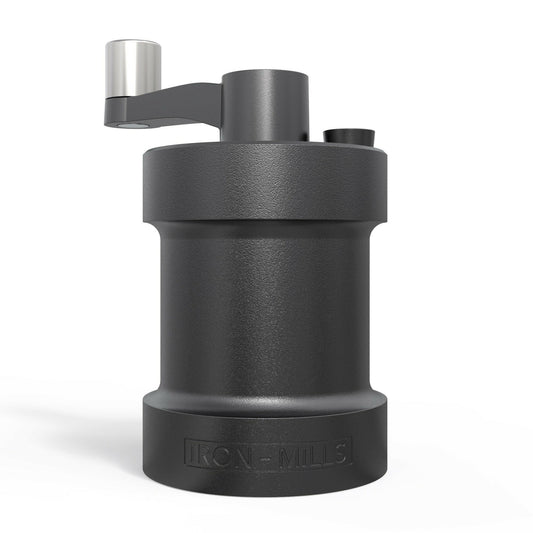
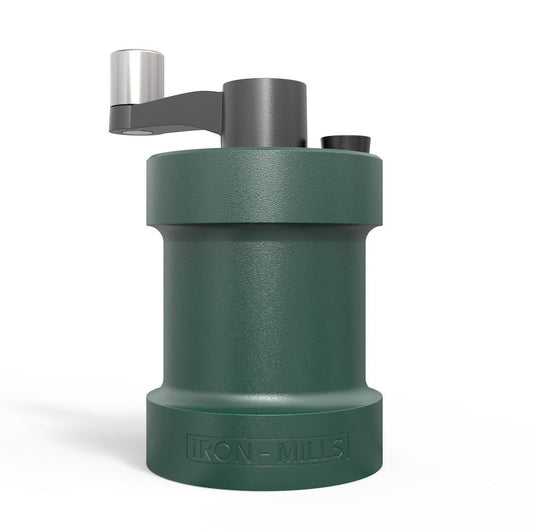
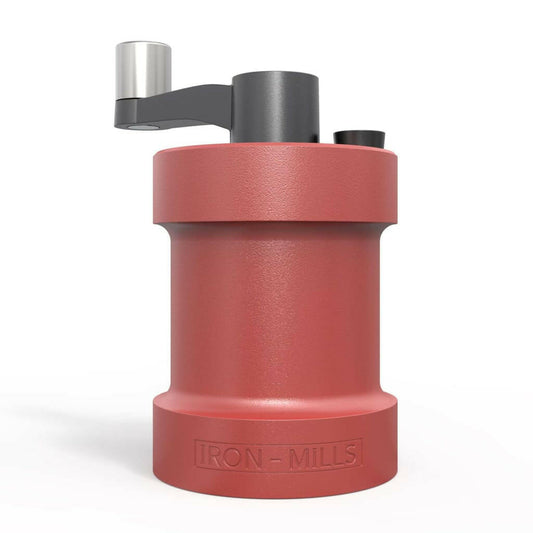
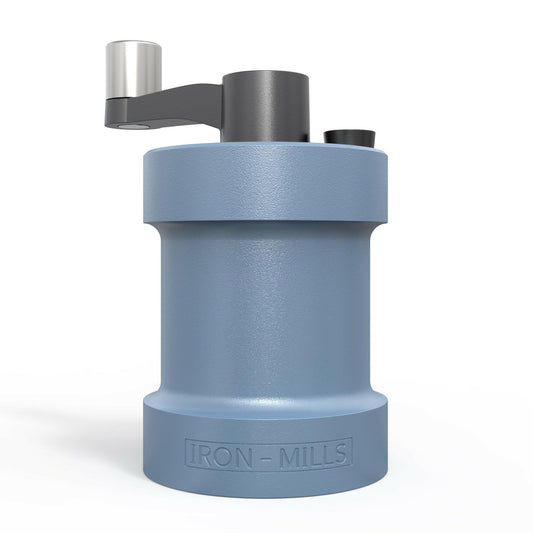
A solid mill pays for itself in consistency alone. You get a cleaner grind, better flavour, and fewer frustrations at the hob or table. For cooks who care about reliable results, that is not indulgence. It is common sense. Iron-Mills was built around exactly that principle - kitchen tools should work properly and keep working.
How to tell when you have got it right
You should smell the pepper immediately after grinding. The aroma ought to be vivid and sharp, not faint. On the palate, the heat should feel clean and purposeful, with flavour behind it. It should lift the dish, not bury it.
The texture should suit the food. You should not be distracted by random large chunks in a soup or by pepper dust vanishing unnoticed on something hearty. When the grind is right, pepper feels intentional. It belongs there.
Good seasoning is rarely dramatic. More often, it is the quiet difference between food that tastes finished and food that does not. Get the pepper right, and the rest of the plate tends to fall into place.
The next time dinner tastes a bit flat, do not reach first for more salt or another splash of sauce. Start with fresh pepper, ground properly, and let a simple ingredient do the job it was meant to do.