Best Mills for Everyday Cooking That Last
A mill earns its place beside the hob when it works without fuss, meal after meal. The best mills for everyday cooking should feel solid in the hand, deliver the grind you want and stand up to steam, splashes and constant use. If yours sticks, sheds flakes of paint or produces a random mix of dust and whole peppercorns, it is not saving you money. It is interrupting dinner.
A good salt or pepper mill is a small piece of kitchen equipment, but it has a sizeable job. It seasons a quick fried egg on Tuesday morning, a Sunday roast for the family and everything in between. Choosing well means looking beyond a fashionable finish and asking a simpler question: will this still be a pleasure to use in five or ten years?
What the Best Mills for Everyday Cooking Have in Common
The difference begins with construction. Cheap mills often rely on thin bodies, lightweight plastic parts and mechanisms that wear or clog under regular pressure. They may look acceptable on the shelf, then loosen, crack or become difficult to turn once they meet the reality of a busy kitchen.
A well-made mill has reassuring weight, close-fitting components and a mechanism designed to handle repeated grinding. Weight alone is not a guarantee of quality, but a substantial body is less likely to slide across the worktop or feel unstable when you are seasoning with one hand. It should be easy to grip, too. A beautiful mill that is awkward with wet hands is more display piece than working tool.
Look closely at the parts that do the hard work. The grinding mechanism should be made for the ingredient it holds, with dependable adjustment and a consistent output. For pepper, that means cracking peppercorns cleanly rather than crushing some into powder while leaving others untouched. For salt, it means using corrosion-resistant internal components, because salt attracts moisture and can be unforgiving to the wrong material.
Capacity matters, though bigger is not automatically better. A generously sized mill reduces refilling, which is useful if you cook most nights or regularly entertain. Yet it should not be so large that it feels cumbersome at the table. The right choice is one you can comfortably lift, turn and refill, rather than one that spends its life half-empty because it is a nuisance to handle.
Start With the Material, Not the Finish
Materials set the tone for both longevity and daily use. Timber brings warmth, but it needs sensible care around water and heat. Stainless steel can suit a modern kitchen, although fingerprints and a slippery surface can be frustrating. Acrylic lets you see the contents, but lighter transparent bodies can show scratches over time and rarely have the same lasting presence.
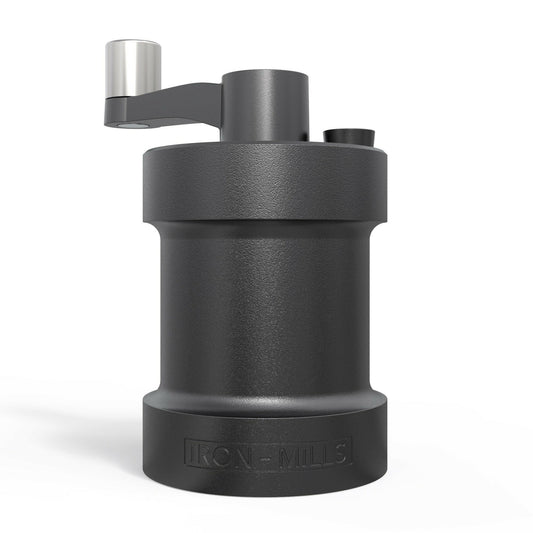
Cast iron is a different proposition. Its weight gives it authority on the worktop, and its naturally tactile surface is particularly satisfying when you are turning a mill over a pan or serving dish. It also suits cooks who prefer kitchenware with character rather than a disposable, throwaway feel.
There is a practical trade-off. Cast iron should not be left soaking by the sink or put through the dishwasher. Like any quality kitchen tool, it rewards straightforward care: wipe it clean with a dry or lightly damp cloth, dry it promptly and keep it away from prolonged moisture. That small amount of attention helps preserve the finish and the confidence that comes from owning something made to last.
The exterior is only one half of the story. Ask how the mill is assembled, whether the mechanism is protected and whether the maker provides meaningful support after purchase. A long warranty is not merely a line on a product page. It suggests the manufacturer expects the mill to remain in service, rather than become another replacement purchase next year.
Grind Control Changes the Food
Freshly ground seasoning is not just a chef's flourish. Grind size affects how salt dissolves and how pepper releases its aroma. Fine pepper disperses quickly through sauces, soups and omelettes. A coarser grind brings welcome texture and a sharper burst of flavour over steak, salads, roasted vegetables and creamy pasta.
That is why adjustability is worth having, provided it is simple. You should be able to move from a fine grind to a coarser finish without dismantling the mill, guessing at settings or finding the adjustment has slipped halfway through cooking. Consistency matters more than endless settings. Most home cooks need a reliable fine, medium and coarse range, not a complicated mechanism that asks for constant tinkering.
Test a mill in your mind against the moments when seasoning matters most. Can you grind directly into a simmering pan without straining your wrist? Can you add a controlled finish at the table without showering the plate with pepper dust? Does the mill turn smoothly when it is fully loaded? Those are the details that separate a proper everyday tool from a kitchen novelty.
Pepper also deserves decent peppercorns. Stale pre-ground pepper will not suddenly become fragrant because it is fed through a handsome mill. Choose whole peppercorns with a lively aroma and refill in sensible quantities, especially if your kitchen is warm. The mill protects the flavour until you need it, but it cannot revive tired ingredients.
Salt and Pepper Need Different Consideration
It is tempting to treat matching mills as identical vessels with different labels. In practice, salt needs more care. Salt's moisture-attracting nature can cause clumping and corrosion, particularly in a kitchen that sees plenty of steam. Keep salt dry, avoid leaving the mill next to a boiling kettle or saucepan, and make sure it has the appropriate corrosion-resistant mechanism.
Use dry salt crystals intended for mills rather than damp sea salt flakes. Flakes are wonderful when pinched over food by hand, but they are not always suited to a grinder. If you live somewhere humid or your kitchen runs hot, refill little and often. This is not fussy housekeeping. It is the easiest way to keep the grind clean and consistent.
The Design Should Work at the Hob and the Table
Everyday cooking asks more of a mill than a dinner party does. It needs to sit securely on a crowded worktop, be easy to identify at a glance and look at home when carried to the table. A pair that matches can bring order to the kitchen, but clear labelling or a distinct detail is useful. Nobody wants to discover they have seasoned porridge with pepper before the first coffee of the day.
Think about where the mill will live. If it is kept beside the cooker, choose a finish and form that are easy to wipe down. If it will sit in the middle of the dining table, choose something with enough presence to complement your crockery without demanding attention. The best designs manage both jobs with quiet confidence.
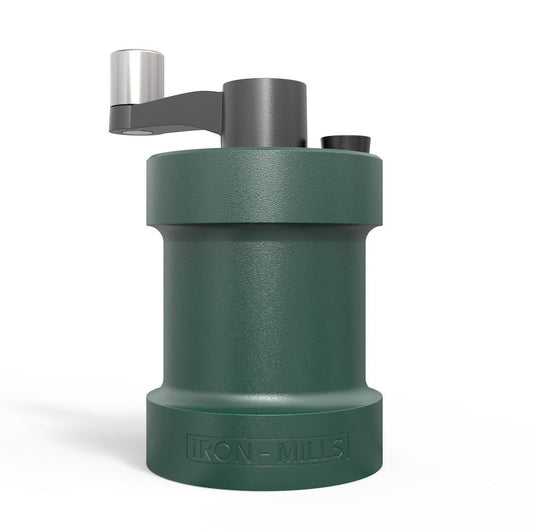
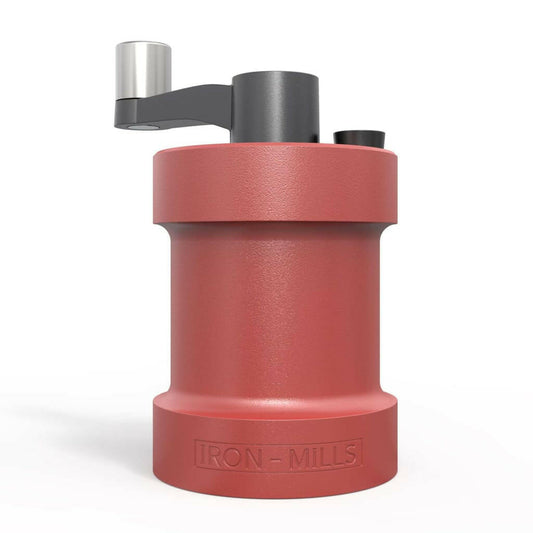
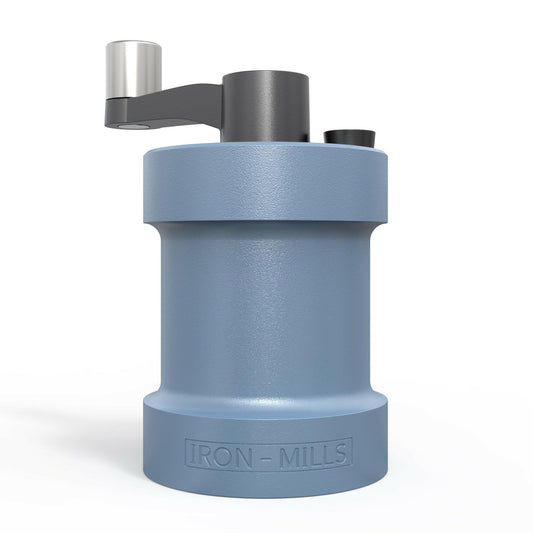
This is where premium construction earns its keep. A mill can be functional and still feel special each time it is used. Iron-Mills brings that principle to British-built cast iron salt and pepper mills, with a 10-year warranty for cooks who would rather buy once than replace a flimsy grinder repeatedly.
Buy for the Years Ahead
Price deserves an honest look. A low-cost mill may be perfectly adequate for a rarely used holiday cottage or a temporary kitchen. But if you cook daily, a cheap grinder that fails after a season is not economical. It is clutter, waste and another item on the shopping list.
Pay for the elements that affect use: a durable body, a sound mechanism, good grip, practical capacity and credible after-sales support. Do not pay simply for a logo or a fashionable colour. A well-built mill should feel like a sensible investment, not an ornament that needs protecting from normal life.
When your seasoning is close at hand and reliable, you cook with more confidence. Choose mills that invite regular use, care for them properly, and let them become part of the rhythm of every good meal.