Premium Salt Grinder Review: What Matters
A salt grinder usually earns attention only when it goes wrong. One minute you are finishing roast potatoes or seasoning a steak, the next you are wrestling with a cracked acrylic body, a jammed mechanism, or a sad dusting of uneven salt. That is why a proper premium salt grinder review matters. In this category, the difference between cheap and well made is not cosmetic. It affects performance every day.
If you are spending more on a grinder, you are not paying for a fancy silhouette alone. You are paying for consistency, weight, mechanical reliability and the sort of build quality that stands up to real kitchens. A good premium mill should feel steady in the hand, deliver a controlled grind and carry on doing its job year after year. Anything less is just an expensive version of the same old problem.
Premium salt grinder review - what separates the good from the forgettable
The first thing worth saying is that premium is an overused word. Plenty of grinders look smart in a product photo and still feel flimsy once they arrive. A genuine premium salt grinder earns the label through materials, engineering and daily use.
Weight is often the first clue. A solid mill has presence. It does not skid across the worktop or feel hollow when picked up. That matters more than people think because seasoning is repetitive. You reach for the grinder constantly, often with one hand busy at the hob. A stable, balanced body makes that movement easier and more reliable.
Then there is the grinding mechanism itself. Salt is unforgiving. Moisture, hard crystals and repeated use expose weak internals very quickly. If the mechanism is poorly made, you tend to get one of two failures. Either it jams and becomes awkward to turn, or it starts producing an inconsistent grind that swings from powder to chunky shards. Neither is ideal when you are trying to season with control.
The final separator is lifespan. Cheap grinders often work reasonably well at first. That is part of the frustration. They lull buyers into thinking they have saved money, then split, corrode or lose tension just as they become part of the daily routine. A premium grinder should avoid that cycle altogether.
Materials matter more than the marketing
If you want a grinder that lasts, start with what it is made from. This is where many buying decisions go right or wrong.
Plastic bodies are common because they are inexpensive to produce and light to ship. They can look polished enough on a screen, but regular handling tells a different story. Over time they scratch, cloud and loosen at stress points. In a warm kitchen, with steam in the air and hands moving quickly between pans and prep boards, lightweight plastic rarely feels like a serious long-term tool.
Metal construction tends to inspire more confidence, but even here there are trade-offs. Thin metal shells can still hide cheaper internals. A grinder needs more than a metallic finish. It needs structural integrity throughout, not just a decorative outer layer.
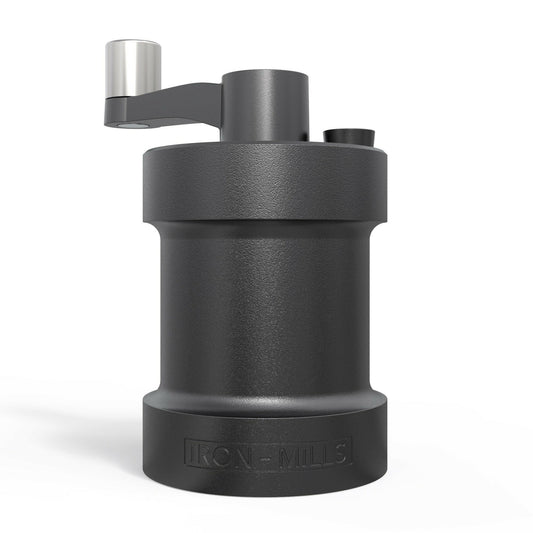
That is where cast iron stands out. Properly made, it has the heft and strength that many modern kitchen tools lack. It feels substantial because it is substantial. For cooks who are tired of replacing throwaway mills, that difference is immediate. A cast iron grinder is not trying to mimic quality. It delivers it in the hand from the first use.
There is also an aesthetic point, though it is not the main reason to buy. Good kitchenware should look the part on a dining table or beside the hob. Solid materials age better. They gain character rather than looking tired.
The grinding mechanism is the real test
You can forgive a simple shape. You cannot forgive a weak mechanism.
The best salt grinders produce a dependable result with minimal fuss. They should turn smoothly, resist clogging and allow a sensible degree of grind adjustment. Fine salt for chips and crisp roasties needs a different output from a coarse finish on lamb or tomatoes. A premium grinder should handle both without feeling temperamental.
This is where reviews often become too shallow. They praise appearance and skip over mechanical performance. Yet the mechanism is what you use, not just what you look at. If a grinder cannot maintain a steady output after months of use, it has failed the basic test.
A strong mechanism should also feel deliberate rather than loose. There is a difference between easy turning and slack turning. Good mills have resistance in the right places. They feel controlled, not wobbly.
What to expect from a premium salt grinder in daily use
A premium grinder should make seasoning feel simpler, not precious. This is not a cabinet piece to admire from a distance. It should be something you reach for on a Tuesday night when you are cooking sausages, greens and mash, and again on Saturday when friends are round for dinner.
In daily use, three things tend to matter most. The first is grip. Kitchens are busy places. Your hands may be damp or oily, and a slippery grinder quickly becomes annoying. The second is refill ease. If refilling is fiddly, people put it off, then resent the product. The third is output. You want enough salt with each turn to season efficiently, but not so much that you overshoot.
Better mills tend to get this balance right because they are designed as working tools. That may sound obvious, but plenty of products in this space are designed more for shelf appeal than kitchen performance.
Is a higher price actually worth it?
Sometimes yes, sometimes no. A premium price only makes sense if it buys a better ownership experience over time.
If you cook often, the value equation shifts quickly. A grinder used daily puts pressure on every part of its build. In that case, paying once for something dependable often costs less than buying two or three weaker replacements over the years. The same applies if you care about presentation. A sturdy mill that looks right on the table and performs properly is easier to justify than a parade of cracked budget options.
If, on the other hand, you season infrequently and mostly keep a grinder tucked in the cupboard for occasional use, the difference may matter less. Not every kitchen needs the same level of investment. But for keen home cooks, regular hosts and anyone fed up with false economy, premium usually proves its worth.
A fair premium salt grinder review should mention the trade-offs
Even the best-built grinder comes with considerations. Heavier mills feel better made, but they are not as featherlight to handle as cheap plastic models. Most buyers who value quality see that as a strength, not a flaw, though it is still worth noting.
Premium materials also raise expectations. If you spend more, you expect proper customer support, a sensible warranty and confidence in where and how the product was made. That is reasonable. In fact, it is part of the product. Quality should be backed up, not just claimed.
There is also personal preference in design. Some people want a minimalist grinder that disappears into a modern kitchen. Others prefer something with more character and material presence. Neither view is wrong. The key is that appearance should support function, not distract from it.
Who should buy one?
This premium salt grinder review is most relevant to buyers who are done with disposable kitchenware. If you hate replacing basic tools, if you cook often enough to notice poor grind consistency, or if you want kitchen pieces that feel honest and durable, a premium grinder makes sense.
It also makes a strong gift. Salt and pepper mills sit in that useful category where quality genuinely improves the experience. They are not novelty items. They are practical, visible and used constantly. Given properly, they tend to stay in service for years rather than being forgotten in a drawer.
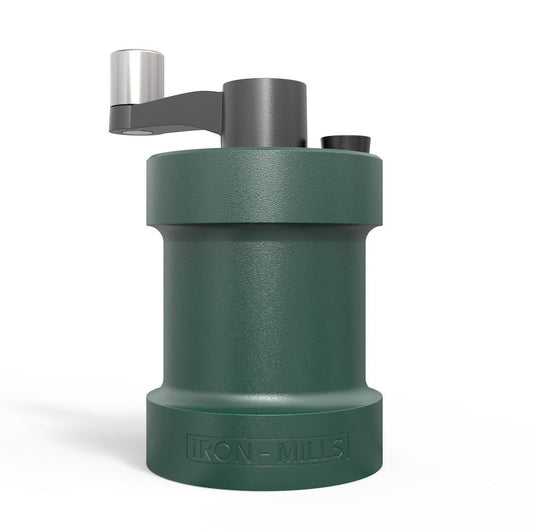
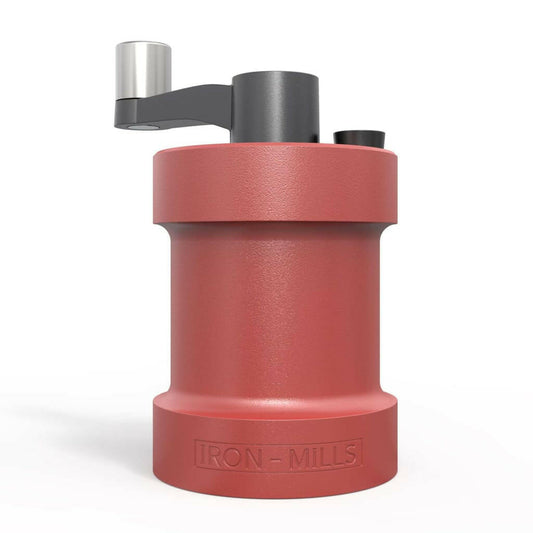
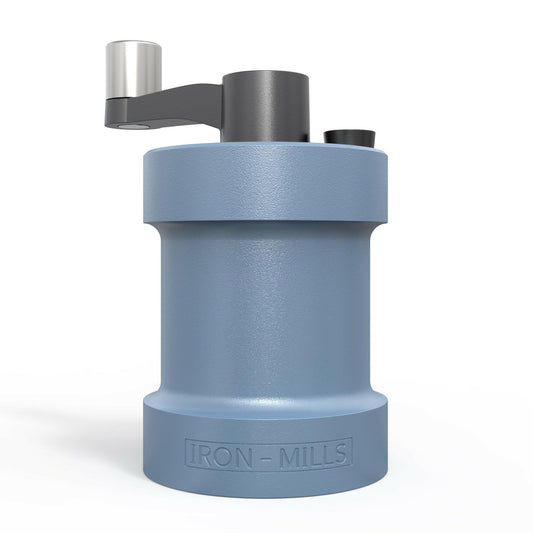
For those who care about manufacturing standards, British-made kitchenware carries another layer of appeal. There is reassurance in knowing a product has been built with longevity in mind rather than designed around short replacement cycles. Brands such as Iron-Mills have built their case on exactly that point - solid construction, dependable performance and a clear rejection of flimsy, throwaway design.
Final verdict on a premium salt grinder review
A premium salt grinder is worth buying when it does three simple things well. It should be built from serious materials, fitted with a mechanism that performs consistently and designed for years of regular use rather than short-term convenience. If it cannot meet those standards, the premium label is just packaging.
The best choice is not necessarily the flashiest or the most expensive. It is the grinder that feels dependable every time you use it, whether you are seasoning supper at speed or finishing a meal at the table. Buy for substance, not showroom gloss, and you are far less likely to buy twice.