Premium Pepper Grinder Review: Worth It?
The trouble with most pepper mills starts the moment you rely on them. They feel passable on day one, then the grind turns erratic, the mechanism loosens, and before long you are wrestling with a kitchen tool that should be the simplest thing on the worktop. This premium pepper grinder review is for anyone who is tired of buying replacements and wants a mill that earns its place through proper performance.
A pepper grinder at the premium end of the market should not be judged on looks alone. Plenty of mills photograph well and disappoint in the hand. The real test is whether it grinds consistently, feels solid under pressure, and keeps doing the job month after month without slipping, cracking or clogging. If it cannot manage that, the premium label means very little.
What a premium pepper grinder review should actually assess
Too many reviews treat a pepper mill like a decorative accessory. In a real kitchen, that misses the point. The standard worth paying for is simple - dependable output, proper materials, and a mechanism that does not give up after regular use.
Start with grind consistency. Good pepper mills give you control, from a finer grind for sauces and finishing to a coarser crack for steaks, salads and cacio e pepe. Cheap grinders tend to crush unevenly, producing dust and chunks in the same turn. That affects flavour more than people think. Pepper that is ground evenly releases aroma properly and seasons food with far more precision.
Then there is build quality. Weight matters, though not for its own sake. A heavier mill often signals better materials and firmer construction, but it still needs to feel balanced. If it is all bulk and no control, it becomes awkward rather than reassuring. The best premium mills have substance without clumsiness.
The grinding mechanism is the heart of it. This is where low-cost mills usually fail first. Plastic internals wear, burrs dull, adjustment settings drift, and the whole thing starts to feel vague. A premium mill should have a mechanism designed for repeated daily use, not occasional table service.
Premium pepper grinder review: where the money goes
Paying more should buy more than branding. In this category, the price gap between a throwaway grinder and a proper mill usually comes down to materials, machining, and longevity.
A well-made pepper grinder uses stronger structural materials, tighter tolerances, and components intended to stand up to force. Peppercorns are hard. Grinding them puts strain on the mechanism every single time. If the body flexes or the internal parts are weak, performance drops quickly. That is why solid construction is not marketing fluff here - it is central to how the mill works.
It also buys a better user experience. Premium mills tend to offer smoother turning, more reliable adjustment, and a more settled feel in the hand. That may sound minor until you cook with one every day. Repetition exposes flaws. A grinder that feels slightly awkward in the shop can become quietly irritating within a week.
The final part of value is lifespan. A decent mill costs more upfront but should spare you the cycle of buying another one next year. For many households, that is the real argument for going premium. You are not paying to be fancy. You are paying to stop replacing poor tools.
Materials make a bigger difference than most buyers expect
The body and mechanism both matter, but the body is often underestimated. Thin acrylic, lightweight timber and cheaper composites can all look respectable when new. The issue is how they cope with everyday knocks, moisture, grease from the hands, and repeated twisting under pressure.
A sturdier material gives the grinder a more planted feel and tends to resist that tired, loose character that develops in cheaper mills. Cast iron, for instance, brings a very different sense of permanence to the kitchen. It has the heft, resilience and mechanical confidence you expect from professional-grade equipment. For buyers who want something built for long-term use rather than quick turnover, that difference is hard to ignore.
That said, there are trade-offs. Heavier mills suit some cooks better than others. If you prefer something ultra-light for table use, a substantial cast construction may feel more serious than you need. But for regular cooking, where grip, control and durability matter most, substantial materials usually win.
How premium mills perform in everyday cooking
A pepper mill proves itself during ordinary meals, not special occasions. You notice quality when seasoning onions in a pan with one hand free, when adjusting grind size for a pepper-crusted roast, or when finishing a bowl of soup at the table without making a mess of it.
A premium grinder should deliver enough output without endless twisting. This is one of the least glamorous but most useful differences. Slow, stingy grinders are frustrating, especially when you are cooking for family or guests. Better mills tend to move through peppercorns more efficiently, with less effort and less slipping.
Consistency matters just as much. If the mill drifts from coarse to dusty without warning, it becomes difficult to season by instinct. Good cooks rely on repetition. They want to know what one turn will do. That confidence is what separates a serious tool from a decorative one.
Comfort matters too. A grinder can be beautifully made and still awkward to use if the shape fights your grip. The best designs feel secure and straightforward. No gimmicks, no fiddly adjustments, no sense that style has taken priority over function.
The common weak points in cheaper grinders
If you have owned a few disappointing mills, the faults will sound familiar. The top screw works loose. The adjustment setting shifts on its own. Peppercorns jam near the burrs. The body chips or cracks. The grinding action gets rougher, then slacker, then useless.
None of this is surprising. Pepper mills live hard-working lives. They are exposed to steam, handling, worktop bumps and constant torque. A grinder made to hit a low price point cannot absorb that for long. Even when it starts well, the decline tends to come quickly.
This is where a strong warranty and clear manufacturing standards carry weight. They suggest the maker expects the mill to last and is prepared to stand behind it. That reassurance matters in a category where too many products are built to be replaced, not relied upon.
Who should buy premium and who may not need to
A premium pepper grinder makes sense for people who cook regularly, care about seasoning, and are fed up with disposable kitchenware. It also suits gift buyers who want to give something useful that still feels special. A well-made mill has presence. It is practical, but it does not feel ordinary.
If you only use pepper occasionally and are happy to replace kitchen tools without much thought, a premium option may be more than you need. There is no point pretending otherwise. Not every kitchen requires the same level of equipment.
But if you appreciate tools that feel solid, work properly, and stay in service for years, paying for quality is entirely reasonable. In that sense, premium is less about luxury and more about standards.
What stands out in a truly good mill
The best premium grinders share a few traits. They feel secure in the hand, produce a reliable and adjustable grind, and show no signs of flimsiness where it matters. They are made from serious materials, not just dressed up to look expensive. Most of all, they remove friction from cooking rather than adding to it.
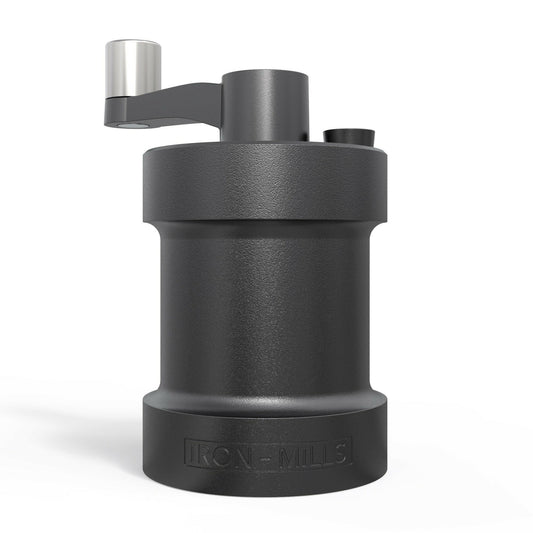
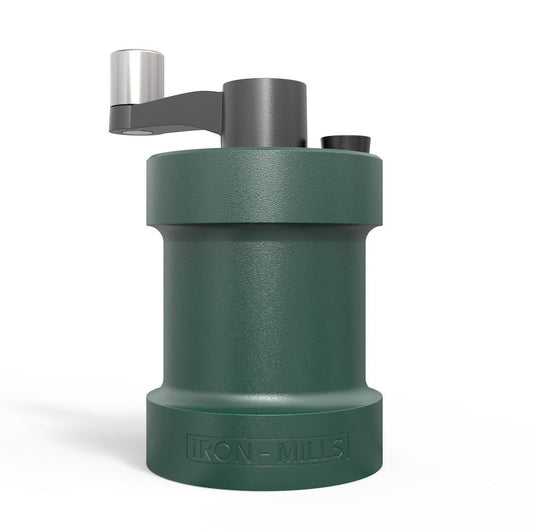
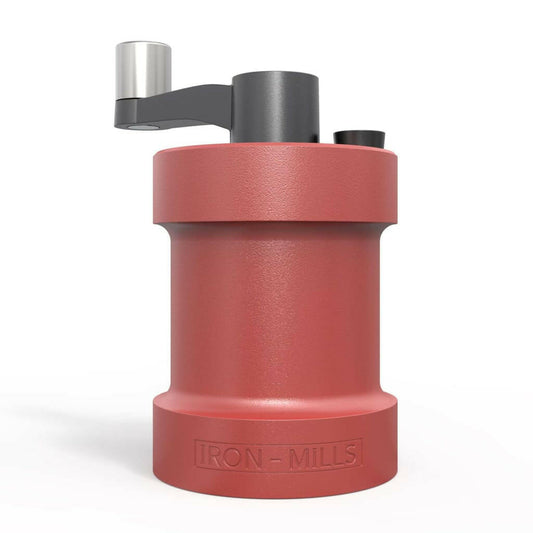
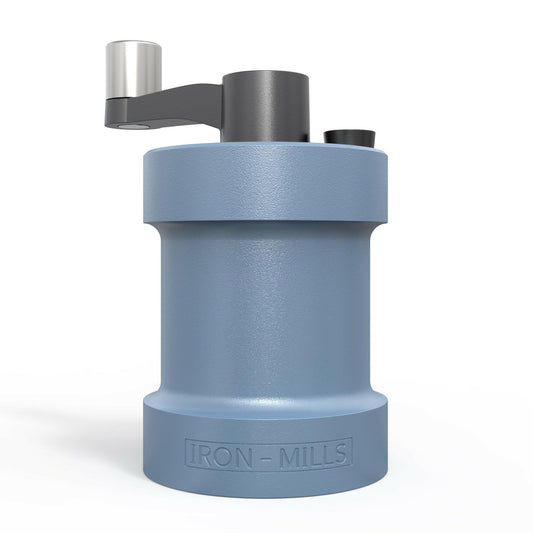
That is why British-made mills with a clear focus on durability deserve attention. Iron-Mills, for example, leans into exactly what many buyers are after - robust construction, professional-grade performance, and the reassurance of a long warranty. For shoppers weary of cheap mills that fail early, that is a persuasive proposition because it addresses the real problem rather than decorating around it.
A premium pepper grinder should feel like a permanent part of the kitchen, not a temporary fix. When the grind is even, the mechanism stays dependable, and the build inspires trust every time you pick it up, you stop thinking about the tool and get on with cooking. That is usually the clearest sign you have bought well.