Cast Iron vs Stainless Steel Grinder
A grinder can look smart on the worktop and still be a disappointment the moment you use it. That is where the real cast iron vs stainless steel grinder debate starts - not with appearances, but with how the mill feels in the hand, how evenly it grinds, and whether it is still working properly a year from now.
For anyone tired of cheap mills that jam, wear down or lose consistency, the material matters more than the finish. Cast iron and stainless steel both have a place in the kitchen, but they do not behave in the same way over time. If you want a mill that earns its keep, it is worth understanding the trade-offs before you buy.
Cast iron vs stainless steel grinder: what really changes?
At a glance, both materials suggest strength. Both can be used in premium kitchenware. Both can outperform low-grade acrylic or disposable supermarket mills by a country mile. Yet a grinder is not judged on labels. It is judged on pressure, friction, repeat use and the quality of the crush.
The key differences come down to four things: durability, grinding performance, weight and feel, and long-term wear. Those details shape the daily experience of using the mill. They also decide whether it feels like a proper kitchen tool or just another item destined for the back of a cupboard.
Durability is where cast iron makes its case
If longevity is the priority, cast iron has obvious strengths. It is dense, solid and exceptionally hard-wearing when properly made. In a seasoning mill, that matters because the grinding mechanism is under repeated strain. Every twist applies force. Every use creates friction. Over time, weaker materials show it.
Cast iron is built for that kind of work. It resists deformation well, and it holds up under constant use in a busy home kitchen. There is a reason cast iron has such a strong reputation in cookware and industrial applications alike. It is not fashionable marketing. It is simply a material known for endurance.
Stainless steel is also durable, but that term can be misleading because there are many grades of it. A well-made stainless steel grinder can last very well. A cheaper one, especially if the mechanism is thin or lightly engineered, may not. The body may stay shiny while the internal grinding performance quietly deteriorates.
That is often the frustration with stainless steel mills at the lower end of the market. They look premium, but they are not always built for the long haul.
Grind quality depends on more than hardness
The point of a grinder is not to exist beautifully on a shelf. It is to crack peppercorns cleanly, crush salt effectively and give you control over texture. A good mill should produce a consistent result without excessive effort.
Cast iron mechanisms are particularly well suited to pepper. They bite well, they create a reliable crush, and they tend to feel decisive rather than flimsy. That mechanical confidence is part of the appeal. You are not coaxing the grinder into action. You are using a tool that feels made for the job.
Stainless steel can also produce a fine grind, especially in precision-engineered mechanisms. But performance varies widely by design. Some stainless steel grinders rely on ceramic or mixed-material internals rather than all-steel grinding parts, and that changes the experience. If the mechanism lacks weight or grip, the grind can feel uneven or less controlled.
For home cooks who season by instinct rather than measuring spoons, consistency matters. A mill that gives a predictable result every time is easier to trust over the hob or at the table.
Salt deserves a separate mention
Salt is less forgiving than pepper because it can be corrosive. That is where stainless steel often gets credit, and not without reason. Certain grades of stainless steel are chosen specifically for their resistance to rust and corrosion, making them a sensible option in damp environments or for salt-specific parts.
Even so, not all stainless steel is equal, and not every stainless steel grinder is designed with long-term salt use in mind. Protective finishes, internal coatings and the quality of the full mechanism all matter. The material name alone does not tell the full story.
A properly engineered cast iron mill intended for seasoning use is designed around those realities. What matters is not the badge on the box, but whether the grinder has been made for real kitchen conditions rather than occasional display use.
Weight, feel and control in the hand
This is the part many buyers overlook until they use the grinder for the first time. Cast iron has heft. That weight gives it presence, stability and a reassuring feel. For many people, that is exactly what a premium mill should offer. It feels grounded. It feels deliberate. It feels built, not assembled as cheaply as possible.
That extra weight also helps with control. A solid mill can feel more balanced during use, especially when grinding over a pan or plating at the table. There is less sense of twisting a hollow shell.
Stainless steel is often lighter and sleeker. Some people prefer that. If ease of handling is more important than heft, particularly for anyone with reduced grip strength, a lighter grinder may be the better fit. Slim stainless steel designs can also suit a more minimal kitchen aesthetic.
So there is a genuine preference question here. Heavier is not automatically better for everyone. But if you want a grinder that feels substantial and professional, cast iron is hard to beat.
Maintenance and everyday practicality
No one wants a high-maintenance seasoning mill. In daily use, both cast iron and stainless steel grinders should be simple to live with, provided they are well made and used as intended.
Stainless steel has the advantage when it comes to surface cleaning. It wipes down easily and tends to suit modern kitchens where people want a neat, polished finish. Fingerprints can show, but the upkeep is straightforward.
Cast iron asks for a little more respect, particularly on the exterior if it has a traditional finish. It is not difficult to care for, but it does reward proper handling. That said, buyers who choose cast iron are rarely looking for something delicate or fussy. They are choosing it precisely because it feels honest, solid and dependable.
In practical terms, the bigger issue is not cleaning. It is whether the grinder continues to perform without sticking, slipping or wearing prematurely. A mill that needs replacing every year is not convenient, whatever material it is made from.
Cast iron vs stainless steel grinder for style-conscious kitchens
There is no point pretending looks do not matter. These mills live on the worktop, on the dining table and in view of guests. They are both tools and part of the kitchen’s visual language.
Stainless steel brings a cleaner, more contemporary look. It pairs easily with modern appliances and can feel understated in a streamlined space. For some homes, that is exactly right.
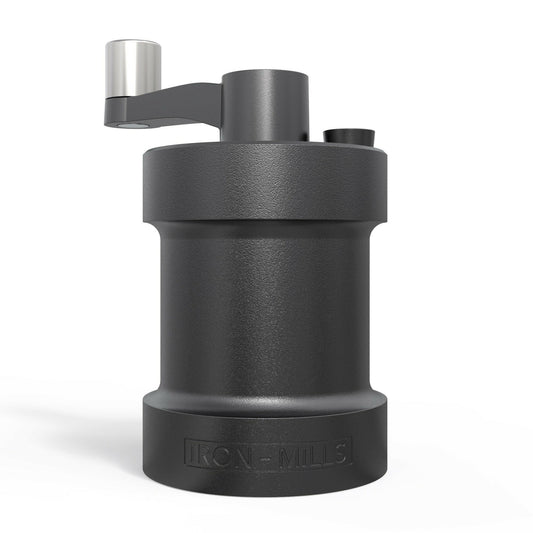
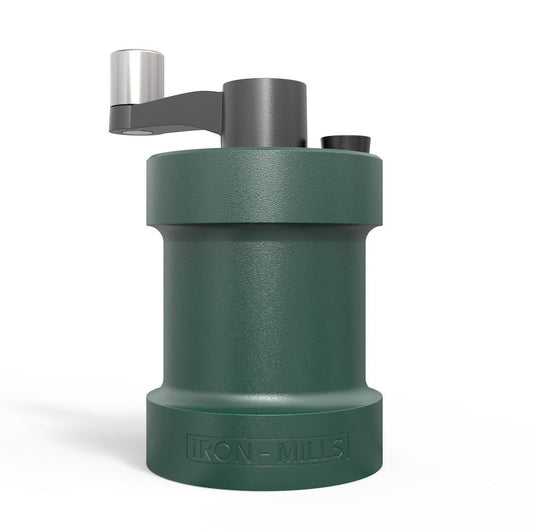
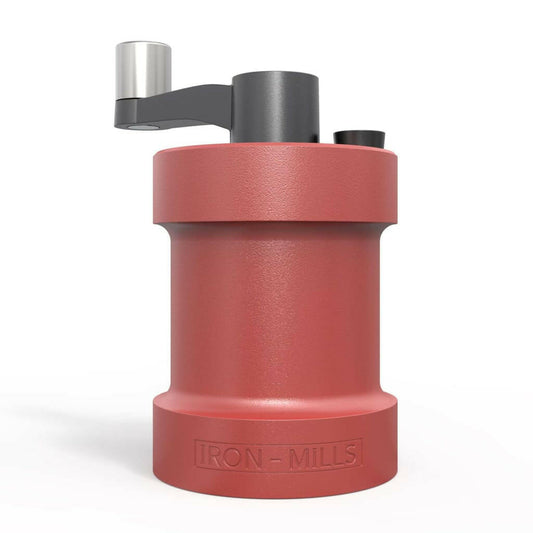
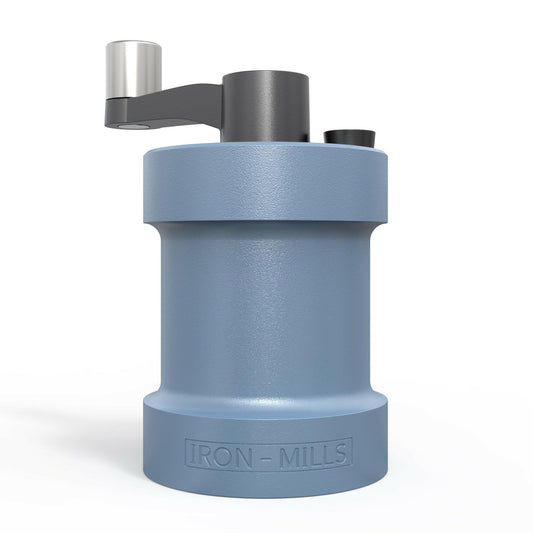
Cast iron brings character. It has texture, depth and a sense of permanence. It does not chase trends. It looks like something meant to stay. For buyers drawn to craftsmanship, heritage and materials with real presence, cast iron has a stronger identity.
That is one reason British-made cast iron mills continue to appeal. They speak to a quieter kind of quality - less throwaway, more considered.
Which one is the better buy?
If you want the short answer, it depends on what you value most.
If your priority is maximum longevity, a substantial feel and dependable grinding performance, cast iron is the stronger choice. It suits buyers who are done with replacing mediocre mills and would rather invest once in something properly made.
If you prefer a lighter grinder, a sleeker appearance and easy wipe-clean upkeep, a good stainless steel grinder can still serve you well. The caution is that stainless steel covers a wide range of quality levels, so you need to look beyond the finish.
For many households, the better buy is not the one that looks the brightest on day one. It is the one that still performs after years of seasoning suppers, Sunday roasts and midweek cooking.
That is why cast iron often wins this comparison in real-world use. It offers what serious home cooks usually want from a mill: strength, consistency and the sense that it was made to last. At Iron-Mills, that is not treated as a luxury extra. It is the baseline.
A good grinder should feel like part of the kitchen, not a problem waiting to happen. Choose the material that matches how you cook, how often you use it and how long you expect it to last. If you are buying with the next ten years in mind, not just the next dinner party, the answer becomes much clearer.