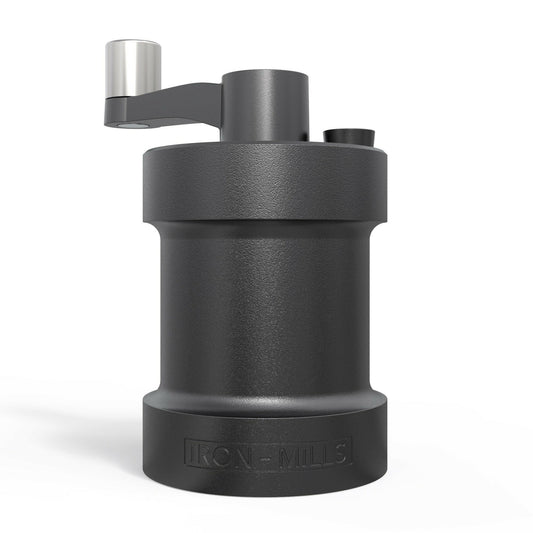
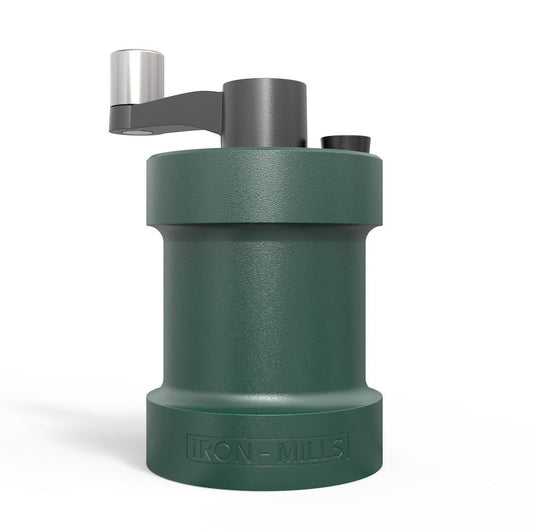
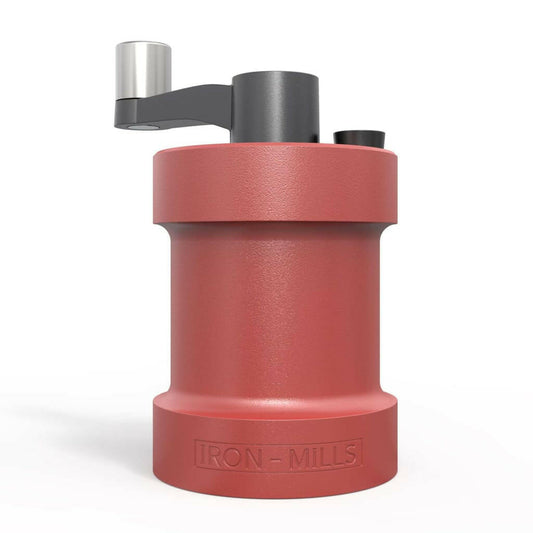
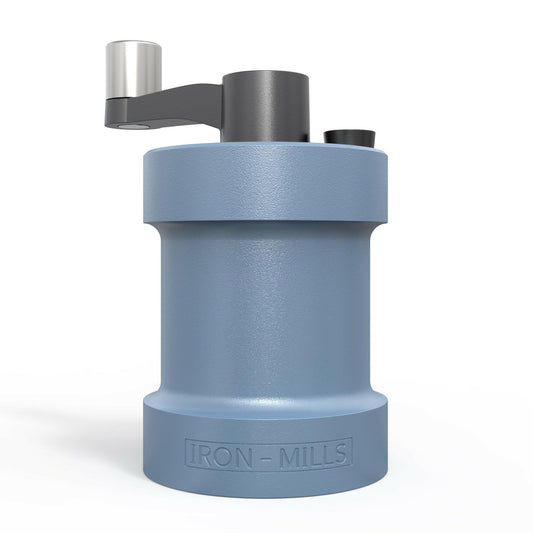
Cast Iron Pepper Mill Guide
A pepper mill tends to get noticed only when it fails. One day it turns smoothly, the next it crushes unevenly, jams mid-service, or sheds little flakes of disappointment over supper. That is exactly why a cast iron pepper mill guide matters. If you cook often, season at the table, or simply want kitchen tools that feel as dependable as they look, the material and build of your mill are not small details. They are the whole point.
A good pepper mill should do one job properly, every day, for years. That sounds obvious, yet plenty of grinders are built to look smart on a shelf and little more. Thin casings, weak mechanisms and vague grind control are common enough that many people assume pepper mills are disposable by nature. They are not. A properly made cast iron mill offers something different - weight, consistency and the sort of durability that rewards long-term use rather than punishing it.
Why choose cast iron for a pepper mill?
Cast iron brings a physical honesty to kitchenware. It feels solid in the hand, stable on the worktop and capable of standing up to regular use without turning brittle or insubstantial over time. That matters more than appearances. When you season food several times a day, a mill should feel reassuring, not fragile.
There is also the question of longevity. Lighter materials can work well enough at first, but they often show wear sooner. Hinges loosen, bodies crack, adjustment knobs become inconsistent and the whole thing starts to feel temporary. Cast iron is chosen for the opposite reason. It suits buyers who are tired of replacing everyday tools and would rather buy once, properly.
That said, weight is a trade-off. A cast iron pepper mill will generally be heavier than an acrylic or thin timber alternative. Some people like that immediately because it gives a sense of control and quality. Others prefer something lighter for quick table use. It depends on whether you value heft as part of the experience or want the lightest possible option. For many serious home cooks, a bit of weight is no hardship when it comes with better build quality.
What a cast iron pepper mill guide should really help you judge
Not every heavy mill is a good mill. Weight alone does not make a grinder precise, and premium pricing does not automatically guarantee sound engineering. The most useful way to assess a cast iron pepper mill is to look at how it performs in daily use.
The first thing to judge is grind consistency. Pepper should come out evenly, whether you want a finer finish for sauces and eggs or a coarser crack for steaks and salads. If a mill produces dust one turn and large shards the next, seasoning becomes guesswork. A better mill gives you control you can trust.
Next comes the grinding mechanism itself. This is where many cheaper products fall short. The casing may look acceptable, but the internal parts wear quickly or struggle under regular use. A proper mill should grind smoothly, resist jamming and keep its setting without constant fiddling. When people say a pepper mill feels professional, this is usually what they mean - not flashy design, but reliable performance under the hand.
Refilling is another point worth considering. It should be straightforward, tidy enough and not feel like a chore. If topping up the mill is awkward, people tend to put it off, which defeats the purpose of having a dependable seasoning tool to hand.
The difference between a decorative mill and a working one
A lot of kitchenware is sold on appearance first. There is nothing wrong with wanting a mill that looks right on the dining table or beside the hob. The problem starts when design takes priority over function.
A decorative mill often feels fine in the shop and disappointing within months. The finish may mark easily, the mechanism may become rough, and the grind may lack the control needed for proper cooking. In other words, it behaves more like an accessory than a tool.
A working cast iron mill should look purposeful. Clean lines, solid construction and durable materials matter because they support use, not because they chase trends. This sort of design ages better as well. It does not rely on novelty. It earns its place by continuing to work.
For buyers who care about style, that is actually good news. True material quality has a presence of its own. Cast iron does not need to pretend to be substantial. It is substantial.
How to use a cast iron pepper mill well
Even the best mill performs better when used properly. Start with good-quality peppercorns. Stale peppercorns will never produce the same aroma or bite as fresh, properly stored ones, no matter how strong the grinder is. If you are investing in a serious mill, it makes sense to fill it with pepper worth grinding.
Adjust the grind to suit the dish rather than leaving it on one setting forever. A finer grind works well when you want pepper to blend into sauces, soups and delicate finishes. A coarser grind suits meats, salads and dishes where you want more texture and a sharper burst of flavour. The point of a quality mill is not merely that it crushes pepper, but that it gives you useful control.
It is also worth grinding over food at the right moment. Pepper added early in cooking brings warmth and depth. Pepper added at the end gives a fresher, more aromatic lift. A dependable mill encourages that habit because using it feels quick and precise rather than fiddly.
Caring for a cast iron pepper mill
Cast iron is hard-wearing, but that does not mean neglect-proof. A sensible bit of care keeps the mill looking smart and working properly.
Keep it dry. That is the main rule. Pepper mills live around steam, splashes and busy worktops, so it is easy for moisture to creep in. Wipe the exterior with a dry or barely damp cloth and avoid soaking it. If the mill has been near a steamy hob for a long spell, let it cool and dry naturally before refilling.
Do not overfill it. Packing peppercorns too tightly can make grinding less smooth and put unnecessary strain on the mechanism. Leave enough room for the contents to move as intended.
If the grind starts to feel less clean, check for residue or fine pepper dust around the mechanism. A quick clean according to the maker's instructions is usually enough. Good maintenance is not complicated. It is simply the difference between owning a tool and expecting a tool to survive abuse.
Who should buy one - and who might not need one?
A cast iron pepper mill makes the most sense for people who cook often, care about seasoning and are tired of replacing lesser grinders. It also suits gift buyers who want to give something useful that feels substantial rather than throwaway. A well-made mill has the rare advantage of being practical and presentable at once.
It may be less essential for someone who cooks rarely, keeps pre-ground pepper in the cupboard and only reaches for a grinder a few times a year. In that case, the benefits of better construction may be less noticeable day to day. But for anyone who enjoys cooking properly, the difference shows up fast. Better grind, better feel, less frustration.
There is also a value question. Cast iron mills usually sit above bargain options on price, and that is fair enough. Better materials and stronger construction should not cost the same as disposable alternatives. The useful way to look at it is cost over time. Buying two or three cheap grinders over a few years is rarely the bargain it first appears to be.
A cast iron pepper mill guide for long-term value
When choosing a mill, think beyond the first week. Ask whether it will still feel dependable after years of breakfasts, Sunday roasts, dinner parties and hurried midweek meals. Ask whether it is built by people who understand kitchen tools as working objects, not mere décor. Ask whether the maker stands behind it with proper confidence.
That is where a brand such as Iron-Mills makes sense for the right buyer. Built in Britain, backed by a 10-year warranty and designed for everyday performance, it speaks to people who would rather own one proper mill than a string of forgettable replacements.
The best kitchen tools earn trust quietly. They do not need gimmicks. They need to work, keep working and feel right every time you reach for them. If your current grinder is already starting to annoy you, take that as a useful sign. Pepper should sharpen a meal, not test your patience.